
As the United States celebrates its 250th anniversary, the Sandhills Horticultural
Gardens invites guests to explore a small piece of what life in this region may have
looked like in 1776—from a plant perspective. Early settlers faced the challenge of
adapting to the Sandhills’ sandy soils and unique ecosystems, quickly learning which
crops could sustain life in this environment. Indigenous communities already possessed
deep knowledge of these landscapes, shaping the agricultural and herbal practices
that followed.
Through this self-guided tour, A Garden Journey Through 1776, you’ll discover how
plants, ecosystems, and traditional knowledge connect the Sandhills to the Revolutionary
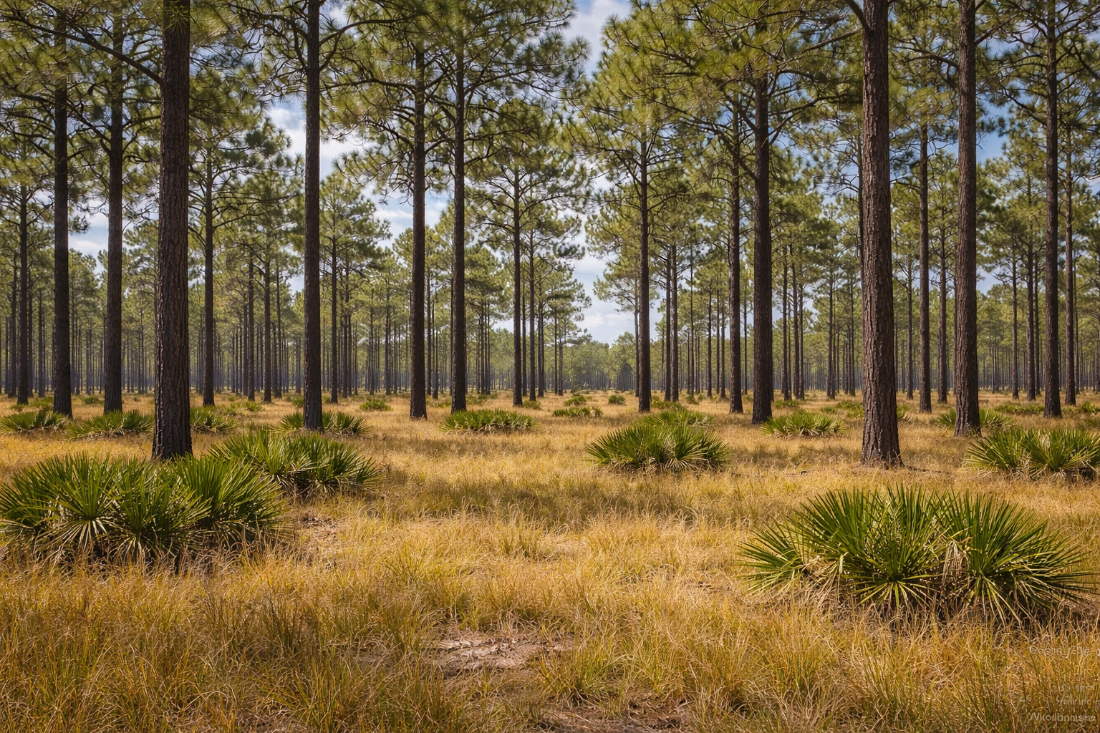
Era. Along the way, explore topics such as longleaf pine ecology, cat face trees,
native crops, and historic foodways.
Guests are invited to explore these garden spaces and discover how the plants reflect
both the past and the present. A commemorative map for the tour is available in the
welcome center.
"This is such an exciting time for our country, and we're proud to acknowledge and
honor its history in our beautiful gardens and landscaping," said Lee Bunch, Executive
Director of the Sandhills Horticultural Gardens. "We hope members of the community
and the surrounding region stop in at their convenience and enjoy nature and history
in a creative manner."
Specialty areas include:
Sir Walter Raleigh Garden
Discover plants linked to early English exploration and settlement, reflecting the
agricultural curiosity and global influences that shaped life in early America.
Cat Face Trees
Discover how pine trees were once tapped for resin in the naval stores industry and
why their scars tell a story of early American industry and survival. Each tree still
bears the marks of that history.
Native American Crops
Learn how Indigenous knowledge shaped early agriculture through crops, growing methods,
and traditions that continue to influence how we understand the land today.
The Orchard
Step into the Orchard to discover fruits like blueberries, figs, and muscadine grapes—plants
that connected Indigenous knowledge, early settlers, and everyday life in the Sandhills.
Pine Savannah
See how the longleaf pine savannah depends on fire to thrive and how this unique ecosystem
shaped the Sandhills landscape and its natural balance.
To learn more about each stop on the tour, visit the Sandhills Horticultural Gardens America 250 webpage.
Hours for the Sandhills Horticultural Gardens are 8 a.m. - 7 p.m., Monday through
Friday. The 30+ acre complex is located at 3245 Airport Road, Pinehurst, NC, 28374.
For more information, call 910-246-4949. There is no cost to attend.